
LTA Tightens Grouting Equipment Entry Rules
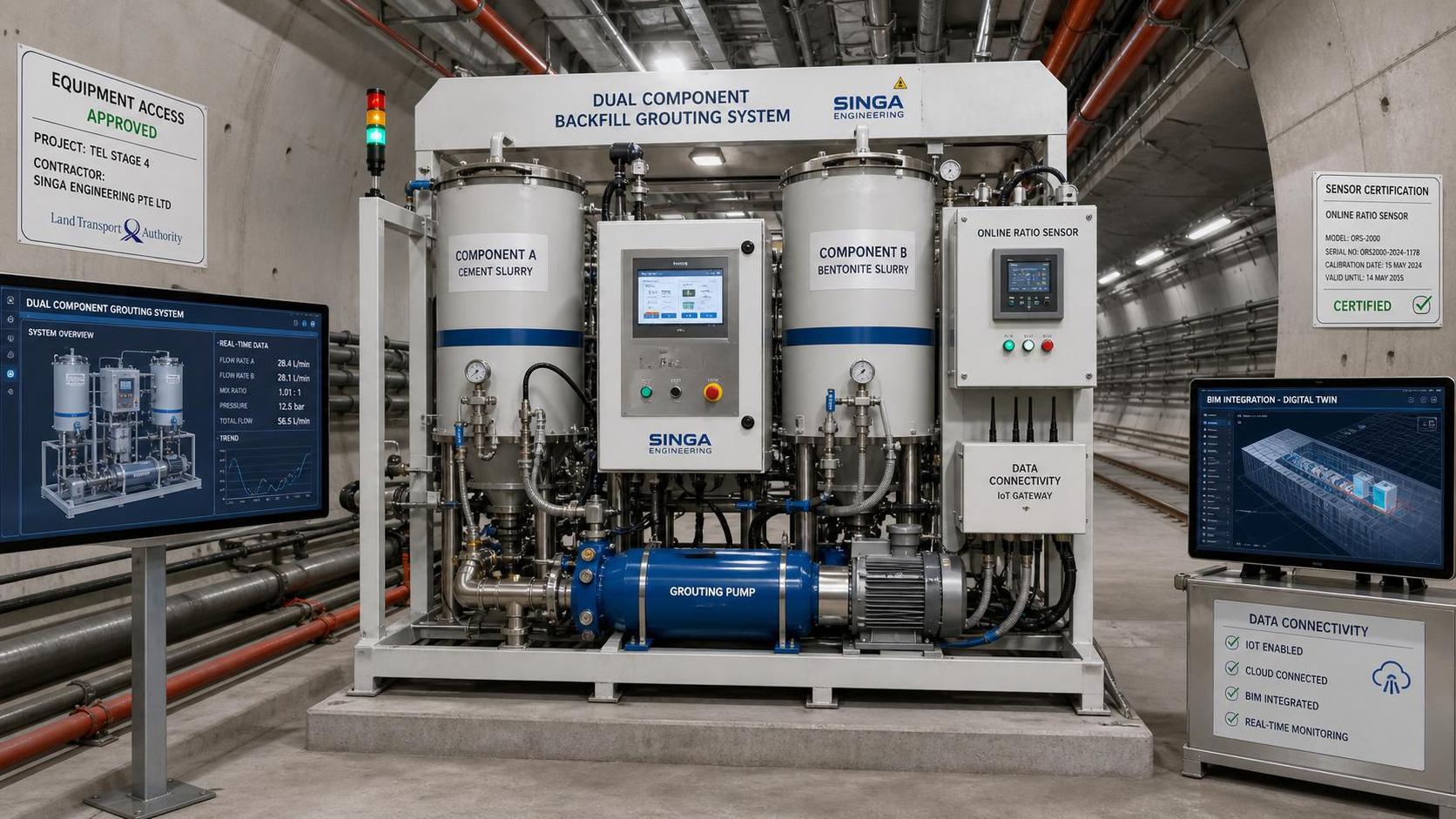
On July 10, 2026, Singapore's Land Transport Authority (LTA) released a new equipment certification directive for underground construction, introducing a stricter entry requirement for Two-component Backfill Grouting systems used in metro expansion work. The change matters because it links equipment access not only to hardware configuration, but also to sensor certification and BIM-connected data reporting, which can affect manufacturers, exporters, project bidders, procurement teams, certification-related service providers, and delivery planning tied to upcoming tenders from 2026 Q3.
What the new LTA directive confirms
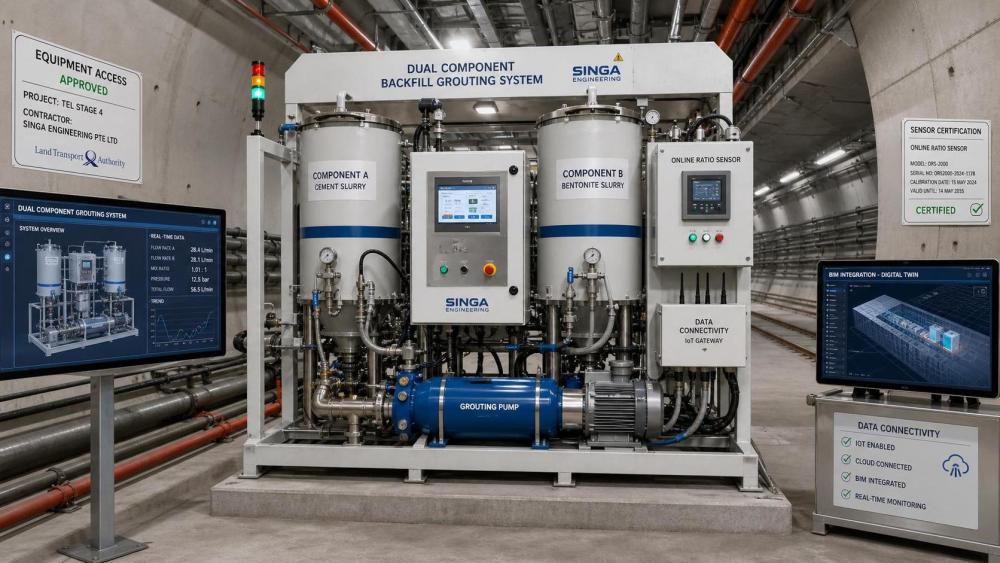
The confirmed facts are limited but commercially significant. LTA issued the Underground Construction Equipment Certification Directive 2026 on July 10, 2026. Under this directive, all Two-component Backfill Grouting equipment used for metro expansion projects must be equipped with online ratio sensors certified under ISO/IEC 17025. The directive also requires direct data connectivity with a BIM platform. The new rule applies to all tender projects from 2026 Q3 onward. The event summary further indicates that this change directly affects the market access position of Chinese grouting equipment manufacturers serving the Singapore and Malaysia market.
Where the rule change is likely to be felt first
Equipment suppliers face a narrower technical entry window
From an industry perspective, manufacturers and exporters of grouting equipment are likely to be affected first because the rule is framed as an access condition for equipment used in metro expansion tenders. The practical impact is likely to fall on product configuration, technical documentation, bid readiness, and proof that the online ratio sensing function meets the stated ISO/IEC 17025-related requirement. What deserves closer attention is whether existing equipment sold into the region can satisfy the new requirement without redesign, retrofit, or additional validation.
Project bidders and procurement teams will need tighter specification alignment
For contractors, buyers, and tender preparation teams, the change is relevant because procurement decisions can no longer focus only on pumping performance or general grouting capability. The rule now makes sensor compliance and BIM data connectivity part of equipment eligibility. In practice, this may affect technical bid alignment, supplier screening, document review, and equipment selection timing for projects entering tender from 2026 Q3.
Certification and testing-related services may become more central
Certification-related firms and testing service providers may also see increased involvement because the requirement explicitly references ISO/IEC 17025-certified online ratio sensors. Analysis shows that this does not automatically define every downstream procedure, but it does signal that conformity evidence, test records, and supporting technical files may carry more weight in procurement and acceptance discussions linked to LTA-covered projects.
Delivery, installation, and after-sales support may face new documentation pressure
Supply chain service providers and after-sales teams could also be drawn into the compliance process. Observably, once BIM connectivity and real-time ratio validation become part of equipment expectations, delivery may involve more than physical shipment and installation. Firms may need to pay closer attention to interface readiness, technical handover materials, traceability records, and whether post-delivery support can address data connection and sensor-related issues within project schedules.
What companies should watch now
Check whether current equipment configurations match the stated requirement
Companies targeting Singapore-related metro expansion tenders should review whether their Two-component Backfill Grouting systems already include online ratio sensors that meet the ISO/IEC 17025-certified requirement described in the event summary. If current configurations rely on a different sensing approach or incomplete validation materials, the immediate issue is not marketing position but admissibility in future tenders.
Prepare technical files for both sensing and BIM connectivity
What deserves closer attention is the document side of compliance. The rule combines sensor certification and BIM data linkage, so technical files may need to show not only equipment capability but also how real-time ratio verification is captured and connected. Companies involved in export, bidding, or distributor management should pay attention to supporting reports, interface descriptions, product specifications, and tender-facing technical submissions.
Track how the requirement appears in tender documents from 2026 Q3
The summary confirms the start point for applicable tenders, but it does not provide the full execution wording that may appear in project documents. For that reason, firms should monitor whether future tender texts treat the requirement as a baseline qualification item, a technical scoring item, or a pre-delivery acceptance condition. This remains an area for continued verification rather than a settled conclusion.
Reassess market access planning for the Singapore and Malaysia corridor
The event summary specifically notes an effect on Chinese grouting equipment manufacturers serving the Singapore and Malaysia market. Analysis shows that companies using Singapore project references, regional distributors, or cross-border sales planning should review whether the new LTA rule changes product selection, compliance sequencing, or lead times tied to that regional market approach. The prudent reading is that market access planning may need adjustment, even though the full commercial outcome cannot yet be confirmed from the provided facts alone.
Why this looks like an execution signal, not just a policy headline
Analysis shows that this development is more than a general statement of intent because it ties a named directive to a specific equipment category, a defined technical requirement, and a stated tender application window beginning in 2026 Q3. At the same time, it is still too early to treat every compliance consequence as fully settled, since the provided information does not include detailed enforcement procedures, document templates, or project-by-project tender language. It is more appropriate to understand this as a concrete execution signal with immediate bid relevance, while still leaving room for observation on how the rule will be applied in practice.
How the market is likely to read this development
In practical terms, the announcement points to a higher equipment entry threshold for metro expansion work under LTA-linked procurement. The rule change is likely to matter most where product access depends on proving sensor compliance and data integration capability rather than on conventional equipment performance alone. A balanced reading is that this is already a live market-access issue for upcoming tenders, but the full operating impact will depend on later tender documents, compliance interpretation, and how project participants implement the requirement.
Basis of this article and what still needs verification
This article is based on the user-provided news title, event date, and event summary. For developments of this kind, relevant source categories typically include official notices, regulator publications, tender documents, standards-related materials, certification documentation, industry association updates, and reporting from authoritative trade media. No specific official source link was provided in the input, so the exact original publication link still needs to be verified on an ongoing basis. It also remains necessary to keep tracking later policy detail, certification interpretation, tender wording changes, industry feedback, and how affected companies implement the requirement in practice.
Rleated News
Industry Briefing
Get the top 5 industry headlines delivered to your inbox every morning.