
ITA Tightens Tunnel Grouting Leakage Limit
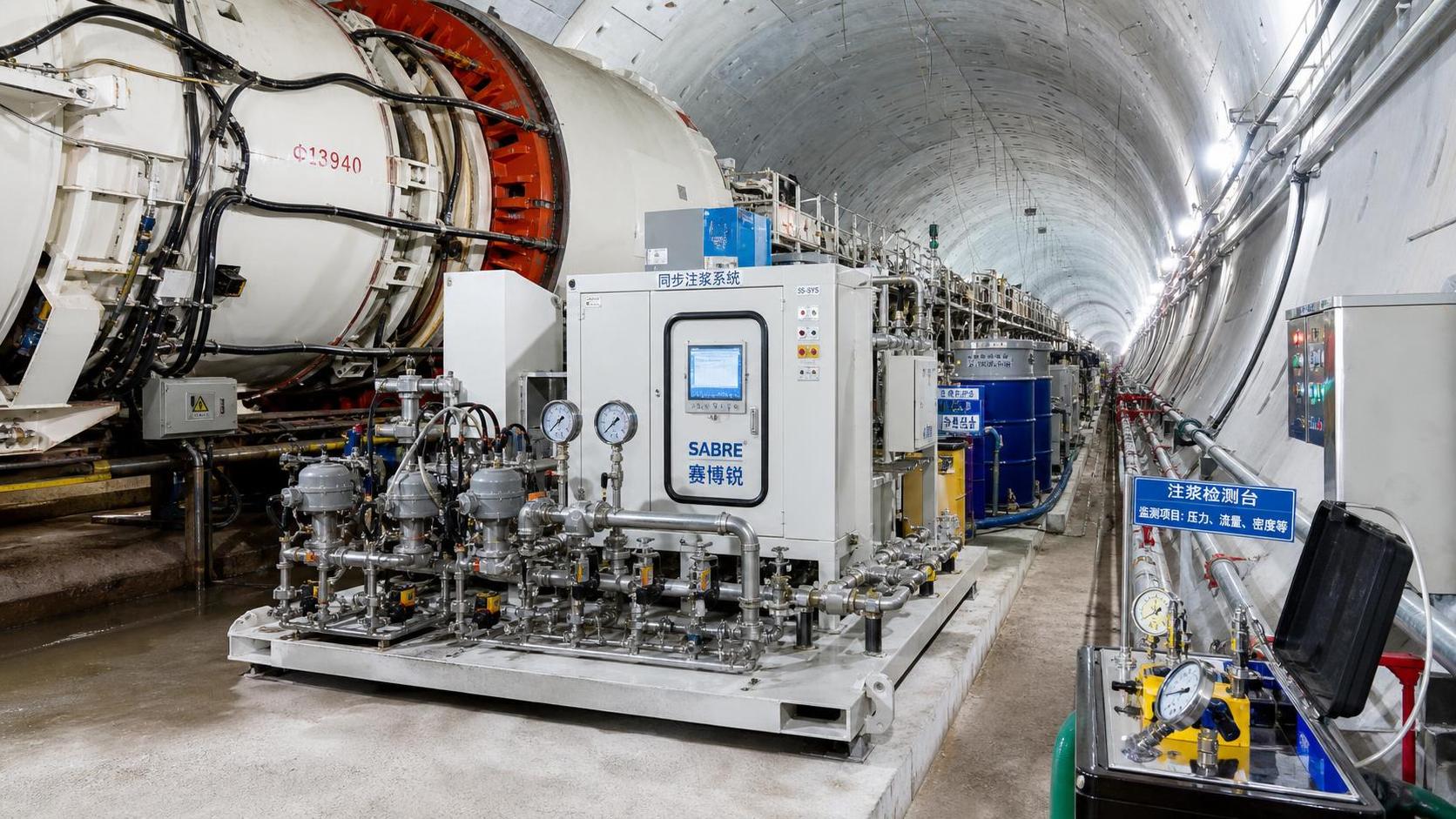
On August 7, 2026, the International Tunnelling Association (ITA) issued its Geo-Environmental Regulation Update 2026, lowering the allowable 72-hour leakage rate for tail void filling in synchronous grouting systems used on EPB shield and Slurry/EPB Mega TBM projects contracted in the EU, Canada, and Singapore. The update deserves close attention from equipment exporters, EPC bidders, importers, and project delivery teams because it shifts the compliance threshold for synchronous grouting systems, including two-component backfilling grouting equipment, and places third-party verification at the center of technical acceptance.
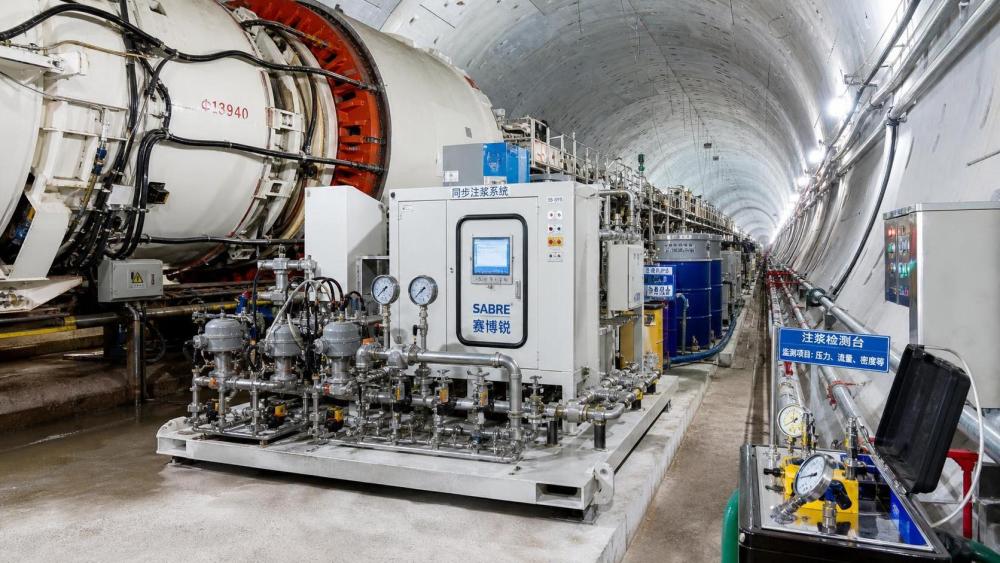
What the Rule Change Actually Requires
According to the provided event information, the ITA released the 2026 regulatory update on August 7, 2026. The new requirement applies to EPB shield and Slurry/EPB Mega TBM projects contracted in the EU, Canada, and Singapore. Under the updated rule, synchronous grouting systems, including two-component backfilling grouting equipment, must pass third-party verification showing that the leakage rate 72 hours after tail void filling is no more than 0.15 L/min·m². The previous threshold was 0.3 L/min·m². The update directly affects export-oriented compliance design, technical responses in overseas EPC tenders, and acceptance standards used by importers.
Where the Pressure Will Be Felt First
Export equipment design and compliance review
From an industry perspective, manufacturers and direct trade companies involved in exporting EPB and TBM-related grouting systems may be affected first because the rule changes a measurable compliance parameter and adds a verification requirement. The impact is likely to appear in product specification review, design documentation, testing preparation, and client-facing compliance materials for target markets covered by the update.
Overseas EPC bidding and technical clarification
For EPC contractors and bid teams, the change matters because tender responses often depend on whether a proposed system can demonstrate conformity with stated environmental and performance thresholds. Analysis shows that the new leakage limit may influence how bidders prepare technical submissions, respond to clarification rounds, and define the compliance basis of synchronous grouting packages in overseas projects.
Importer acceptance and procurement alignment
Importers and project-side procurement teams may also face a more demanding acceptance process. What deserves closer attention is the link between procurement specifications and third-party verification evidence. If acceptance standards are updated in line with the new rule, purchasing decisions, incoming inspection criteria, and contract documentation may need closer alignment with the revised leakage threshold.
What Companies Should Watch Now
How the verification requirement is interpreted in practice
Analysis shows that the headline change is not only the tighter leakage limit, but also the requirement for third-party verification. Companies should closely monitor how this verification expectation is translated into actual project documentation, bid language, and acceptance workflows in the covered markets.
Which product configurations fall within immediate review scope
Manufacturers and suppliers should focus on synchronous grouting systems that are directly tied to EPB shield and Slurry/EPB Mega TBM projects in the EU, Canada, and Singapore, especially where two-component backfilling grouting equipment is part of the supply package. This is the most immediate area where internal specification checks and customer communication may need to be tightened.
Whether tender response materials remain consistent with the new threshold
For overseas EPC work, technical response packages should be reviewed for consistency with the updated 0.15 L/min·m² requirement. Observably, the practical risk is not only technical non-compliance, but also mismatch between product claims, verification records, and what a client or importer expects to see during bid review or acceptance.
How delivery and documentation planning may need to adjust
What deserves closer attention is the documentation side of delivery. Where third-party verification is required, companies may need to pay closer attention to qualification files, supporting records, and communication with buyers or local partners so that compliance evidence is available when contracts move into procurement or acceptance stages.
Why This Looks Like More Than a One-Off Adjustment
This section is an editorial observation rather than a statement of fact. It is more appropriate to understand this update as a concrete compliance signal rather than a routine wording change. The threshold has been tightened from 0.3 to 0.15 L/min·m², and the requirement is linked to third-party verification, which suggests that grouting performance claims may face closer scrutiny in cross-border project execution. At the same time, the information provided does not establish how quickly all market participants will update tender documents, contracts, or acceptance procedures, so continued observation is still necessary.
How the Industry May Need to Read This Update
Based on the confirmed information, the update has immediate relevance for projects contracted in the EU, Canada, and Singapore and for the companies supplying or specifying synchronous grouting systems for those jobs. Analysis shows that this should currently be read as a direct compliance development with operational implications, especially in export design, EPC bidding, and importer acceptance. It should not yet be overstated as a fully settled market outcome across every project context, but it is clearly a development that affected businesses should track closely.
Basis of This Article and What Still Needs Verification
This article is based on the user-provided news title, event date, and event summary concerning the ITA's August 7, 2026 release of the Geo-Environmental Regulation Update 2026. For this type of industry development, relevant source categories usually include official notices, industry association releases, company announcements, authoritative media coverage, and standard-setting documents. A specific official source link was not provided in the input, so the precise wording and any subsequent implementation details still require ongoing verification. Further attention should be paid to later official clarifications, tender language changes, and acceptance practice in the affected markets.
Rleated News
Industry Briefing
Get the top 5 industry headlines delivered to your inbox every morning.