
Disc Cutter Systems Germany: What Affects Service Life Most?
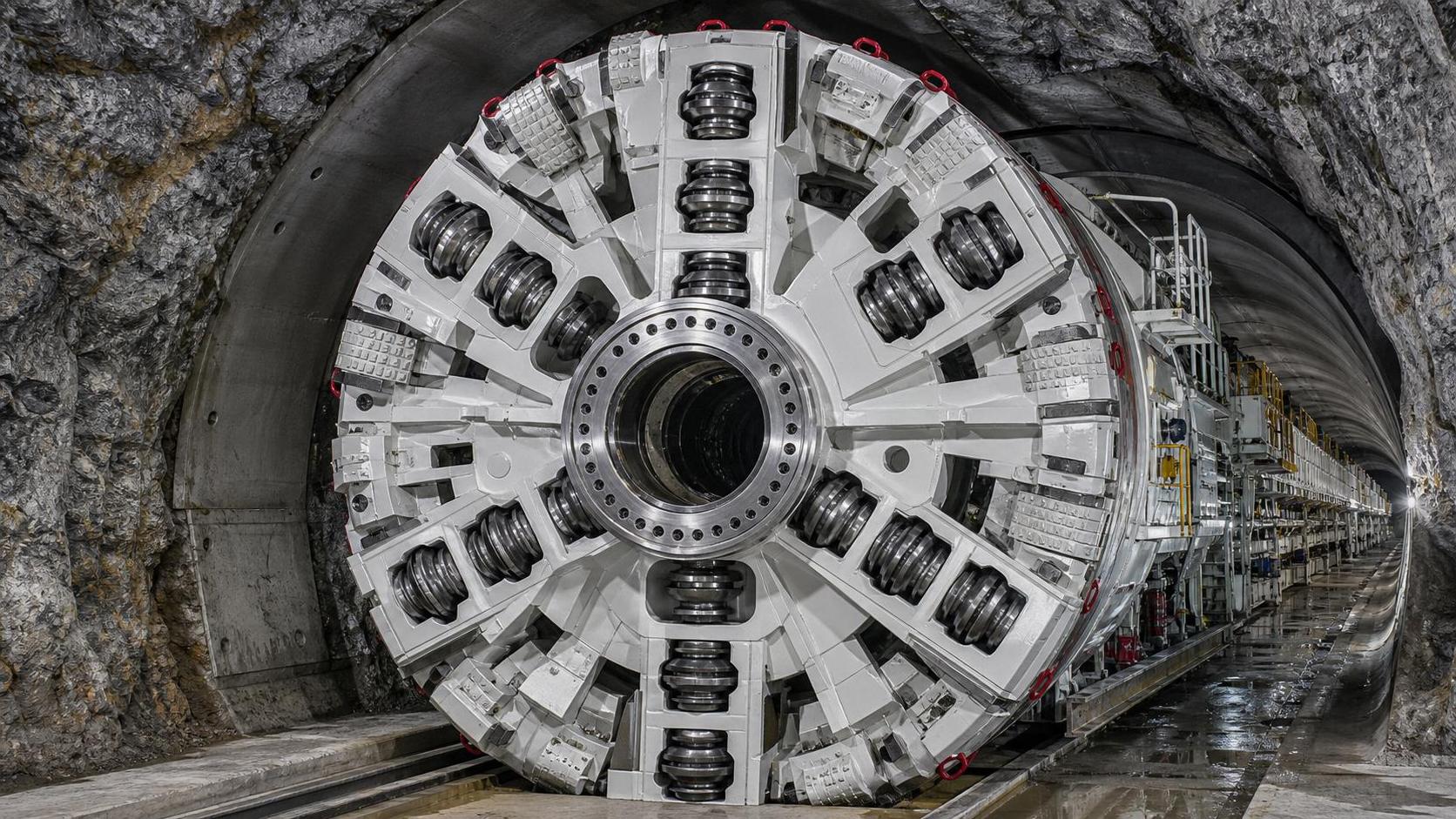
For disc cutter systems Germany, service life is rarely controlled by one isolated variable. Wear develops through the interaction of geology, cutter design, machine settings, sealing quality, heat, and routine operating discipline. In tunnel boring and trenchless excavation, that matters because cutter change intervals influence downtime, advance stability, labor exposure, and overall excavation cost more than many teams first expect.
Why service life has become a sharper issue
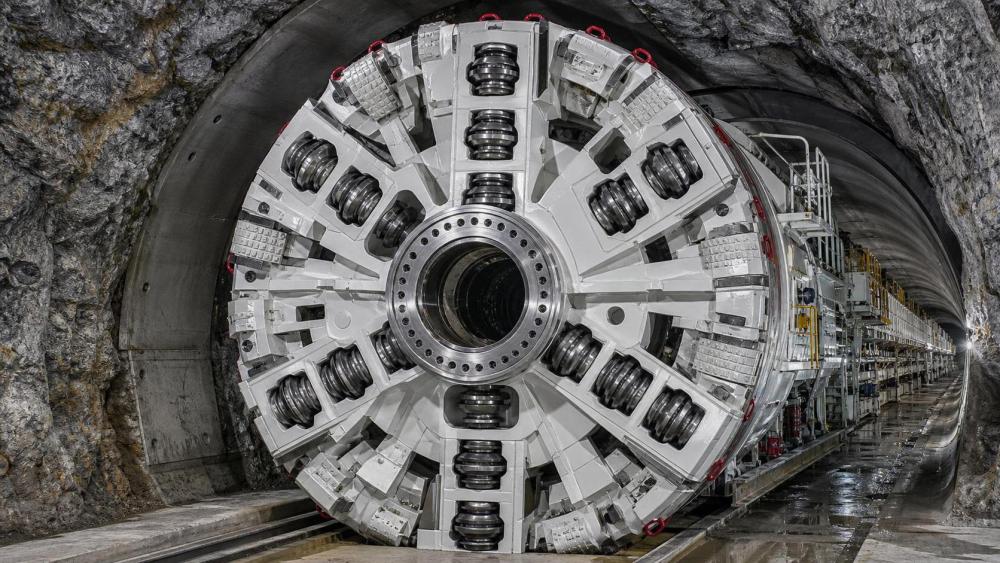
Across metro tunnels, utility drives, subsea crossings, and hard rock sections, cutter consumption is now watched more closely. Projects are deeper, schedules are tighter, and ground conditions can shift quickly within a single alignment.
That is why disc cutter systems Germany attract attention beyond simple product sourcing. The discussion is really about predictable cutting performance under mixed ground, variable abrasivity, and long drive lengths.
UTES often frames this issue within a wider underground systems view. Cutter wear does not sit alone. It connects to cutterhead layout, thrust balance, muck flow, face control, maintenance planning, and project risk.
The basic point: service life is a system result
A disc cutter fails or wears out because the whole operating environment pushes it there. Material quality matters, but so do contact stress, rolling conditions, impact loading, cooling, and contamination.
In practical terms, disc cutter systems Germany should be judged as assemblies. The ring, hub, bearing, seal package, lubrication path, mounting accuracy, and cutterhead position all influence usable life.
This is especially relevant in TBMs and shield machines working through granite, quartz-rich sandstone, cobbles, fractured rock, or mixed-face zones. The same cutter can perform very differently from one section to the next.
What operators usually see first
The earliest signs are often uneven wear, rising vibration, abnormal temperature, ring chipping, slow penetration, or higher torque without matching production. These symptoms usually point to combined causes rather than one defect.
Ground conditions remain the biggest driver
If one factor deserves the highest priority, it is geology. Rock hardness affects penetration resistance, but abrasivity often has an even stronger impact on ring loss and bearing distress.
Quartz content, compressive strength, joint spacing, block size, and groundwater all change wear patterns. Hard but massive rock can load cutters differently than fractured rock that causes repeated impact and unstable rolling.
Mixed-face tunneling is especially demanding. Part of the cutterhead may run in softer soil while outer cutters strike boulders or rock lenses. That mismatch can create local overload, irregular rotation, and accelerated seal damage.
Why abrasivity often beats hardness
A very hard formation is not always the fastest cutter killer. Highly abrasive ground removes metal continuously and can shorten life even when penetration looks stable. That is why laboratory rock data should never be reduced to one strength number.
Cutter build quality still separates average from reliable
When geology is difficult, manufacturing quality becomes more visible. Disc cutter systems Germany are often evaluated for metallurgy, heat treatment consistency, ring hardness profile, bearing load capacity, and seal durability.
The important point is balance. A very hard ring may resist abrasion, yet become more vulnerable to brittle edge damage if toughness is not matched properly. Better life comes from the right combination, not the highest single value.
Bearing protection is just as critical. Once fines, slurry, or water pass the seals, internal wear can rise quickly. Many premature failures that look like ring problems actually begin as sealing or lubrication problems.
Questions worth asking during evaluation
- How consistent is ring material performance across batches?
- What sealing arrangement is used for wet or contaminated ground?
- How is bearing life verified under shock loading?
- What field data exists from similar rock and drive lengths?
Heat, load, and rotation habits change wear speed
Even good cutters lose life quickly when operating parameters drift. Excessive thrust, poor penetration control, and repeated stalling can create heat and sliding instead of proper rolling contact.
That distinction matters. Disc cutters are designed to roll and crush rock efficiently. If they skid, rub, or strike unpredictably, temperature rises and wear accelerates across both ring and bearing components.
In disc cutter systems Germany, thermal control is often discussed less than metallurgy, yet field performance proves it matters. Heat can degrade grease, weaken seals, and increase internal friction before visible external failure appears.
Operating patterns that shorten life
- Pushing high thrust without stable penetration.
- Frequent starts and stops in hard rock.
- Running with poor muck evacuation around the cutterhead.
- Ignoring early vibration or temperature deviations.
Installation accuracy is often underestimated
A high-quality cutter can still fail early if mounting conditions are poor. Misalignment, incorrect preload, damaged seats, or uneven fastening can distort loads and create abnormal ring contact.
This is one reason service life comparisons can be misleading. Two crews may use the same disc cutter systems Germany, yet record very different outcomes because installation discipline differs.
Clean interfaces, correct torque procedures, and inspection of housings matter more than they seem. Small geometric errors can become large stress concentrations once excavation starts.
Simple checks with strong payback
Before restart, check seat wear, free rotation, seal condition, fastening accuracy, and any evidence of contamination. These steps cost little compared with an unplanned cutter intervention under pressure.
What this means in real trenchless and tunneling work
The value of longer life is not limited to fewer spare parts. It supports steadier advance rates, more predictable maintenance windows, lower intervention risk, and better control of project cost per meter.
On urban tunnel drives, every cutter change can affect schedule coordination, spoil handling, and segment installation planning. On long rock drives, cutter reliability can influence the whole logic of maintenance access.
That wider operational picture is why UTES treats cutter wear as part of underground system intelligence. Disc cutter systems Germany should be reviewed together with geology reports, cutterhead design, slurry behavior, and advance data.
A practical way to judge disc cutter systems Germany
A useful assessment combines field observation with structured records. Instead of asking only how long one cutter lasted, compare wear against rock class, machine settings, location on the cutterhead, and contamination exposure.
That makes patterns visible. Premature outer cutter wear suggests a different issue than widespread bearing distress. Random failures point somewhere else again, often toward installation quality or inconsistent operating practice.
- Record wear by cutter position, not only by total quantity consumed.
- Link replacement history to geology logs and penetration data.
- Track temperature, vibration, and rotation abnormalities early.
- Separate ring wear failures from bearing and seal failures.
- Use comparable project references before drawing conclusions.
Where to focus next
If service life is under review, start by ranking the main contributors in the actual drive section. Ground abrasivity, sealing integrity, heat generation, and installation quality usually reveal more than broad assumptions about cutter brand alone.
For disc cutter systems Germany, the best next step is a comparative check built on real operating data. Match cutter performance to geology, machine behavior, and maintenance records, then refine specifications and work practices from that baseline.
That approach turns cutter life from a recurring uncertainty into a manageable engineering variable, which is exactly where strong underground performance begins.
Rleated News
Industry Briefing
Get the top 5 industry headlines delivered to your inbox every morning.