
USTR Weighs 25% Tariff on Chinese HDD Rigs
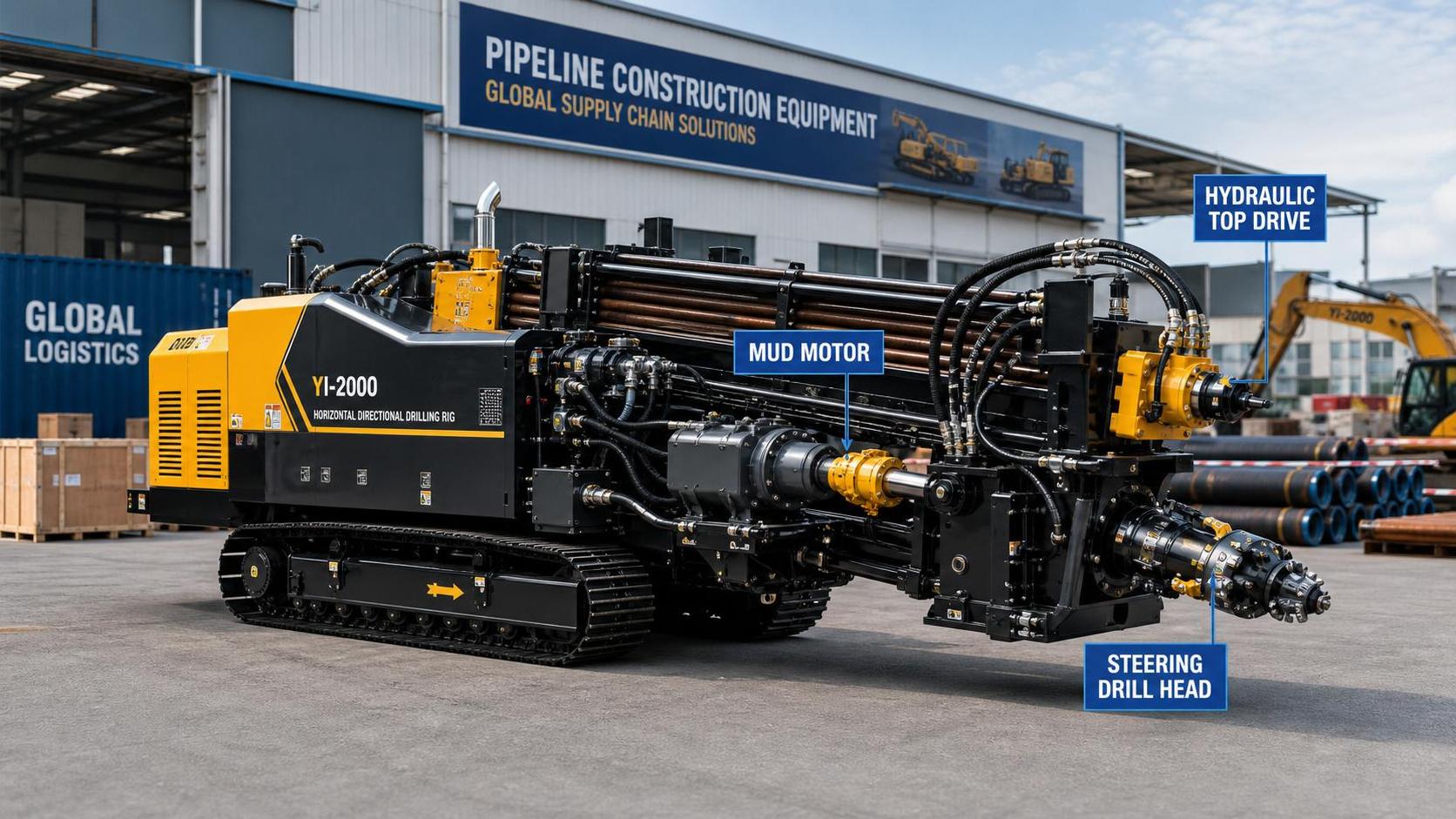
On June 10, 2026, the Office of the United States Trade Representative (USTR) announced a proposed additional 25% tariff under Section 301 on heavy horizontal directional drilling rigs of Chinese origin with rated thrust of at least 100 tons, extending not only to complete machines but also to key components. For equipment exporters, project buyers, supply chain service providers, and contractors involved in North American municipal pipeline work, this is worth close attention because the proposal points to a possible rule change that could affect import costs, procurement timing, component sourcing, and delivery planning before the final determination is issued.
What the June 10 notice confirms so far
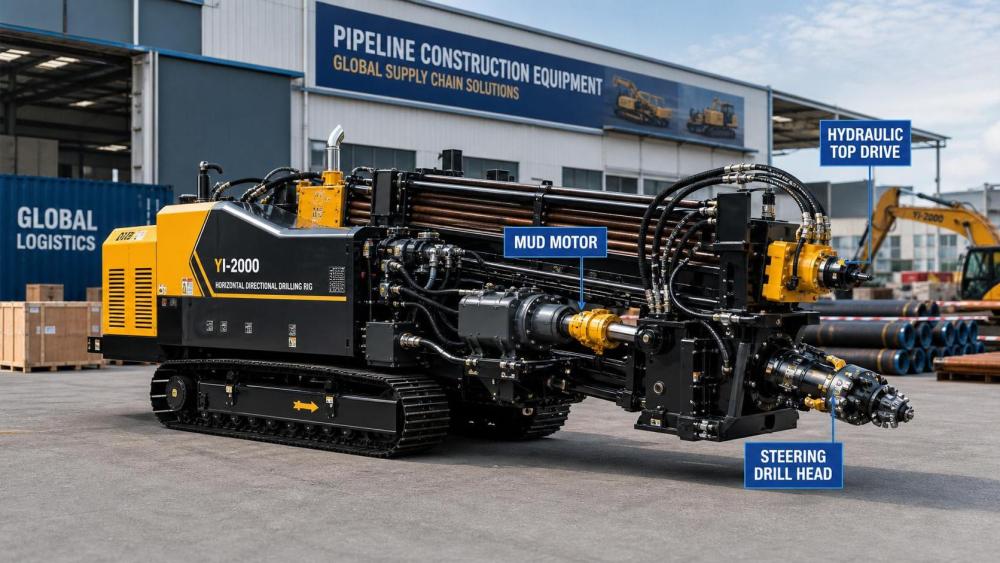
According to the information provided, USTR released the notice on June 10, 2026 and proposed an additional 25% tariff under Section 301 for Chinese-origin heavy HDD rigs with rated thrust of 100 tons or more. The proposed scope covers both complete rigs and core parts, including mud motors, guidance drill bits, and hydraulic top drives. A hearing is scheduled for July 6, and a final decision is expected in August. The information provided also indicates that the measure could materially raise equipment procurement costs for municipal pipeline projects in North America.
Where the pressure may appear first in the supply chain
Export transactions may face sharper landed-cost scrutiny
From an industry perspective, exporters and trading companies connected to the covered products may be affected first because the proposed measure is directly tied to origin and product scope. The immediate business focus is likely to fall on product classification, origin-related documentation, contract pricing terms, and whether quotations for complete rigs and covered components still match buyer expectations if the additional duty is adopted.
Project procurement teams may need to revisit bid assumptions
Buyers and procurement teams for municipal pipeline projects may feel the impact through budget control and equipment selection. Analysis shows that when a proposed tariff covers both complete machines and critical parts, procurement planning may need to pay closer attention to whether tender documents, spare-parts lists, and technical equipment packages remain commercially workable under a higher import-cost scenario.
Manufacturing and parts supply links could face contract and delivery adjustments
Manufacturers and component suppliers linked to mud motors, guidance drill bits, and hydraulic top drives may need to monitor how customers adjust order structures if the proposal moves forward. What deserves closer attention is not only the complete rig, but also whether covered parts trigger changes in shipment batching, replacement-part planning, and delivery scheduling for ongoing or upcoming projects.
Service and after-sales arrangements may also require closer compliance checks
After-sales providers and supply chain service firms may need to review documentation and service commitments attached to imported equipment and parts. Observably, if procurement costs rise or sourcing arrangements shift, service timelines, parts support, and traceability records may become more important in cross-border delivery and project execution discussions.
What companies should watch before the August decision
Review product scope and technical documentation carefully
Analysis shows that companies dealing in heavy HDD rigs and the named core components should closely review product specifications, rated thrust descriptions, technical sheets, and transaction documents to understand whether goods may fall within the announced proposal. This is especially relevant where complete equipment and parts are quoted or shipped together.
Track official wording from hearing to final determination
Because the hearing is set for July 6 and the final determination is expected in August, businesses should continue to monitor whether the official wording on scope, covered goods, or implementation framing changes between the proposal stage and the final decision. At this stage, it is more appropriate to understand the development as a live rule process rather than a fully settled execution outcome.
Recheck procurement schedules and supplier coordination
For buyers, contractors, and distributors, a practical focus is whether procurement schedules, supplier confirmations, and delivery windows still align with project needs if import costs change. Observably, this is less about broad market theory and more about contract timing, component availability, and whether project teams need contingency discussions before the expected August outcome.
Keep records ready for trade and compliance review
Companies involved in export, import, and project delivery may also benefit from keeping origin documents, technical descriptions, parts lists, bid materials, and related trade records organized for review. The input information does not provide final execution details, so businesses should treat documentation readiness as a precautionary compliance step rather than as evidence of a confirmed new requirement already in force.
Why this reads more like a policy signal than a finished rule
Analysis shows that the current development is best read as an important trade-policy signal with concrete commercial implications, but not yet as a fully concluded rule outcome. The scheduled hearing and the expected August determination mean the market is still in an observation phase. From an industry perspective, the most important issue is not only the proposed 25% rate itself, but also how final scope, implementation language, and buyer response may shape equipment procurement and component sourcing in practice.
How the market may need to interpret the current stage
A balanced reading is that this proposal already matters for planning, even though the final decision is still pending. It points to possible cost pressure in North American municipal pipeline equipment procurement and raises the importance of closer review across trade, sourcing, delivery, and after-sales coordination. At the current stage, it is more appropriate to understand this as a developing rule change that warrants continued monitoring rather than as a completed market outcome.
Basis of this article and what still needs verification
This article is generated from the user-provided news title, event date, and event summary. For developments of this kind, commonly relevant source types may include official notices, releases from regulatory or trade authorities, customs or trade-administration information, industry association updates, standard-setting documents, and reporting by authoritative media. A specific official source link was not provided in the input, so the exact official publication path still needs to be verified. Further observation is also needed on any policy detail, implementation language, procurement-document changes, market feedback, and how affected companies actually respond in execution.
Rleated News
Industry Briefing
Get the top 5 industry headlines delivered to your inbox every morning.