
Red Sea Disruption Extends HDD Rig Delivery Lead Times
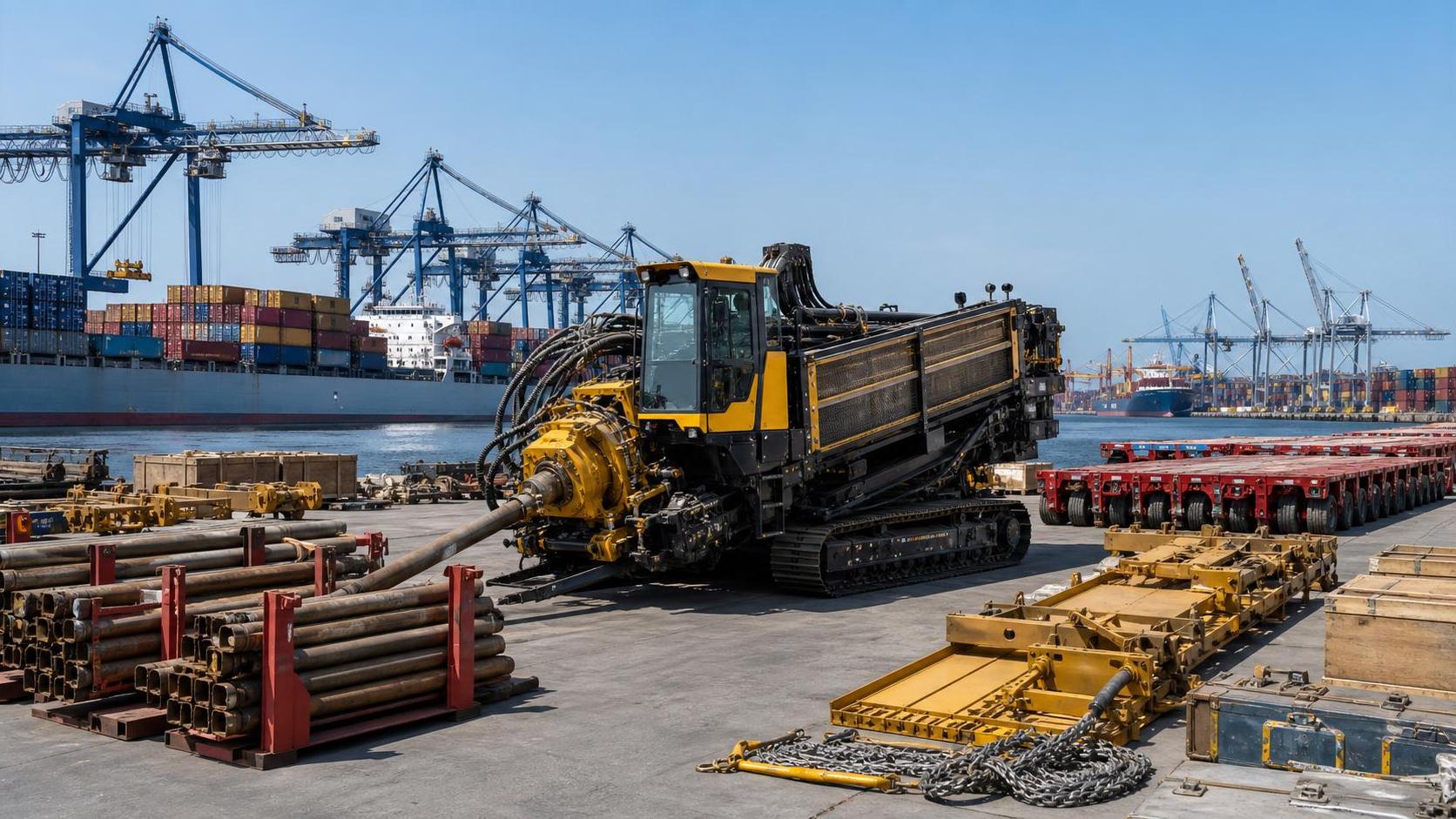
The timing of this development is not clearly specified in the available information, but the latest market signals point to a trade and delivery environment that is becoming more restrictive for heavy equipment shipments. For exporters, buyers, and logistics providers involved in Heavy-duty HDD Rigs, the issue is no longer only higher freight rates on the Asia-Europe corridor; it also affects shipping terms, delivery planning, and the practical allocation of transport responsibility in cross-border transactions.
Freight pressure is now feeding into delivery terms
According to a joint report by Alphaliner and Drewry dated 2026-07-05, Suez Canal transit volume fell 62% year on year. At the same time, congestion at the Port of Djibouti pushed spot freight for 40ftHQ containers on the Asia-Europe route above $8,200, the highest level since 2024.
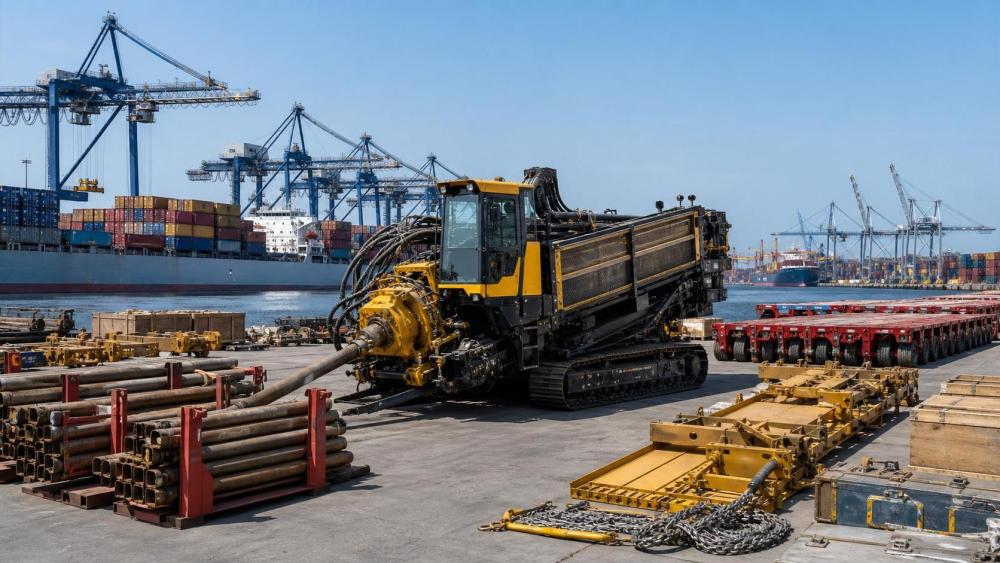
For Heavy-duty HDD Rigs, the situation is more complex because single units are overweight and out-of-gauge, making them dependent on special-vessel transport. Current average sailing time from major Chinese ports including Shanghai, Qingdao, and Nansha to key hub ports in the Middle East, East Africa, and South America has extended to 14-18 weeks. In some orders, buyers have also requested a shift in trade terms from FOB to CIF.
Where the immediate pressure is likely to appear
Export contract execution is becoming more sensitive
From an industry perspective, exporters of heavy drilling equipment are likely to feel the first impact in contract performance and delivery commitment management. When vessel capacity for special cargo tightens and transit time extends, previously workable shipment windows may become harder to maintain. What deserves closer attention is the interaction between shipping arrangements, Incoterms allocation, and delivery clauses in signed or pending orders.
Procurement and project buyers may face revised risk allocation
For buyers and project-side procurement teams, the reported requests to move from FOB to CIF indicate a practical shift in who is expected to organize freight and absorb transport volatility. Analysis shows that this is not only a pricing issue; it may also affect internal approval flows, insurance arrangements, landed-cost calculations, and bid evaluation where delivery responsibility is contractually relevant.
Logistics and forwarding parties will need tighter document control
Supply chain service providers handling oversized or overweight cargo may be affected through scheduling, booking certainty, and shipping document alignment. Observably, when lead times stretch for special-vessel movements, greater scrutiny may fall on cargo specifications, shipment readiness records, packing details, and documents tied to transport responsibility under revised trade terms.
Practical points companies should review now
Recheck trade terms before shipment commitments are locked
Analysis shows that the reported FOB-to-CIF adjustment requests should be treated as a live commercial and compliance issue. Companies should review whether quotation terms, freight responsibility, marine insurance arrangements, and delivery definitions remain aligned across contracts, pro forma documents, and internal approval records.
Adjust delivery schedules for oversized equipment with more caution
For Heavy-duty HDD Rigs that depend on special-vessel transport, the reported 14-18 week sailing window means shipment planning should be reviewed with more conservative assumptions. What deserves closer attention is whether tender commitments, production release timing, and customer acceptance milestones still match the updated transport reality.
Keep technical and shipping documentation consistent
Where heavy equipment exports involve oversize or overweight handling, document consistency becomes more important once transport routes are disrupted. Companies should closely review technical descriptions, cargo dimensions, packing lists, and shipment-related records so that contract execution and logistics arrangements are based on the same information set.
Watch for follow-on changes in market practice rather than assuming a settled rule
Observably, the available information shows pressure on freight and delivery execution, but it does not yet establish a uniform new market rule. Businesses should therefore monitor whether customers, carriers, or service providers begin to apply more consistent requirements around trade terms, delivery buffers, or transport documentation.
Why this looks more like an execution signal than a formal rule change
Analysis shows that this development is best understood as a market execution signal with trade-rule implications rather than as a newly issued regulation or formal policy text. The key change reflected here is practical: route disruption and port congestion are reshaping delivery feasibility, cost responsibility, and contract behavior for heavy equipment shipments. That matters because in many transactions, commercial practice changes before formal documentation standards or procurement language are updated.
It is more appropriate to understand this as an active shift in operational expectations. Continued observation is still needed to see whether revised Incoterms preferences, longer shipment buffers, or stricter logistics documentation become more common across projects and export transactions.
What this development currently means for the market
At this stage, the most rational reading is that freight disruption in the Red Sea-linked trade environment is already affecting the deliverability of Heavy-duty HDD Rigs, especially where special-vessel transport is required. The reported extension to 14-18 weeks and the appearance of FOB-to-CIF adjustment requests suggest pressure is moving from freight pricing into contract execution and procurement practice.
Current conditions are better read as a material execution change that companies need to respond to in real time, while still treating the longer-term rule impact as something that requires continued verification through market practice and transaction documents.
Source basis and points that still need verification
This article is generated based on the user-provided news title, event timing, and event summary. The reported facts referenced here are limited to the supplied information, including the Alphaliner and Drewry joint report dated 2026-07-05, the decline in Suez Canal transit volume, congestion at Djibouti, the rise in Asia-Europe freight rates, the extended shipping lead time for Heavy-duty HDD Rigs, and the reported FOB-to-CIF adjustment requests.
For developments of this type, relevant source categories commonly include official notices, regulator publications, customs or trade authority information, industry association releases, standards organization documents, and reporting by established trade media. However, a specific official source link was not provided in the input, so further verification remains necessary.
What still needs continued monitoring includes any clearer implementation language in contract practice, changes in customer procurement documents, shifts in certification or documentation expectations tied to shipment execution, and broader market feedback from exporters, buyers, and logistics providers.
Rleated News
Industry Briefing
Get the top 5 industry headlines delivered to your inbox every morning.